How owners evaluate an attractive initial price together with software continuity, gateway records, spare parts, maintenance responsibility and 5-year to 10-year support.
An attractive tender price creates value when it is supported by a clear 5-year, 8-year and 10-year plan for software, gateways, spare parts, records and service continuity.
Use this guide if your team is comparing cost-focused smart street lighting controllers, IoT lighting platforms, retrofit suppliers or competitive tender offers.
A cost-focused proposal can reduce waste and deliver practical value. A complete evaluation places the initial price alongside lifecycle responsibility. In smart street lighting, the operating package includes software, gateways, cabinets, device identity, maintenance records, energy reports, spare parts and support continuity as well as controllers.
A project continues long after acceptance. Roads remain in operation, tunnels require dependable transitions, city maintenance teams need clear fault locations and EPC contractors need documented service responsibilities. Complete acceptance therefore includes the owner's ability to operate, review and verify the system over time.
Use the same documented criteria for every proposed solution. Confirm the scope offered by each supplier and the evidence that the owner can review at acceptance.
| Review Area | Question for the Proposal | Evidence to Request |
|---|---|---|
| Purchase scope | Which devices, gateways, cabinets and software are included? | Itemized bill of materials and integration responsibilities. |
| Operations cost | How are faults located and site visits planned? | Alarm accuracy, asset map, work orders and closure samples. |
| Spares and updates | Who maintains replacement parts and software in later years? | 5-year, 8-year or 10-year spare-part, firmware and service proposal. |
| Data continuity | What can the owner retain if the original supplier changes? | Export, backup, configuration and transition deliverables. |
These situations help teams check how the proposed configuration would work after commissioning.
| Situation | Decision to Clarify | Practical Check |
|---|---|---|
| A controller bid has a lower initial price | Confirm the software, cabinet and gateway scope included. | Compare itemized inclusions, exclusions and commissioning. |
| A fault requires a field visit | Measure whether the system identifies the correct asset. | Review alarms, dispatch time, repair evidence and closure. |
| A device fails after the warranty period | Replacement and compatibility affect downtime. | Check spare availability, firmware version and technician support. |
| The owner changes service providers | Record ownership affects transition cost. | Request accessible history, device mapping and configuration files. |
Buyers need more than a list of risks. The practical question is how the proposed architecture, records and service scope help resolve each operating and procurement pain point.
| Buyer or Industry Pain Point | Project Impact | How STSYSTEMPLC Helps |
|---|---|---|
| Buyer pain: a low initial price may exclude software, gateway, commissioning or later service items. | The apparent saving can move into integration, troubleshooting and replacement cost. | STSYSTEMPLC helps buyers compare the complete operating package, exclusions, commissioning scope and lifecycle service period. |
| Industry pain: faults may generate site visits without identifying the correct lamp, feeder or communication cause. | Maintenance teams spend time inspecting healthy assets and repeating diagnosis. | Asset identity, gateway zones, alarm type, dispatch records and repair closure can be linked for more focused maintenance. |
| Buyer pain: spare parts, firmware compatibility and support continuity become critical after warranty. | A small device failure can create longer downtime if the replacement path is unclear. | STSYSTEMPLC can prepare a 5-year, 8-year or 10-year spare-part route, firmware records, device mapping, replacement procedure and owner-held service evidence. |
Many suppliers can show remote control, alarm icons and energy charts. The wider review asks whether those records remain available through handover, supplier change, communication interruption, software updates and maintenance contractor replacement.
A complete procurement review asks each supplier to document the operating chain: field terminal, cabinet, gateway, communication, platform, alarm, energy record, maintenance workflow and handover package.
| Procurement Question | Basic Response | Complete Project Requirement |
|---|---|---|
| Who owns records after acceptance? | Supplier exports reports when requested. | Owner keeps account authority, alarm history, energy data, maintenance records and backup files. |
| How does the system respond if WAN or cloud is unavailable? | Dashboard shows offline status. | Controller, cabinet and gateway rules keep approved lighting behavior locally reviewable. |
| Can the system migrate later? | Future support is described in general terms. | Interfaces, data export, gateway files, cabinet configuration and transition package are prepared early. |
| Can lifecycle cost be proven? | A reduction in site visits is proposed. | Fault location, alarm type, dispatch evidence, repair action and closure status are recorded. |
| How does the project support a future supplier change? | A supplier is selected on brand or initial price. | Spare parts, firmware, software, records and integration documents remain owner-accessible. |
When a buyer searches a well-known lighting, automation or network brand, the underlying goal is usually to reduce project uncertainty. A useful comparison therefore looks beyond the name and considers support continuity, record access, data export, local operation and acceptance documentation.
| Supplier Route | Point to Clarify | Useful Evidence to Request |
|---|---|---|
| Signify / Philips / Schréder comparison | Luminaire reputation and lighting ecosystem experience are important; gateway, cabinet, data and handover boundaries also need review. | Request controller compatibility, cabinet logic, gateway records, alarm history, data export and owner account authority. |
| Cisco smart city lighting route | Network and smart-city capabilities may be well defined, while lighting fallback, dimming policy and tunnel behavior require project-specific confirmation. | Confirm which lighting scenes continue locally when WAN, cloud, server or AI service is interrupted. |
| Siemens / Schneider / ABB infrastructure route | Automation and power-infrastructure experience can be valuable; lamp-level status, pole identity and lighting maintenance workflow should also be confirmed. | Request field controller identity, gateway grouping, cabinet files, energy records and maintenance closure evidence. |
| Tvilight / inteliLIGHT / Telensa route | Smart lighting platform and adaptive-control experience are relevant; data export, transition planning and local policy requirements remain project specific. | Request interface documents, historical records, configuration backups, communication topology and project-specific acceptance tests. |
| Fonda / AEC / regional controller route | Practical deployment, local service and cost control may be attractive; lifecycle software, firmware and spare-part arrangements can vary by project. | Request a 5-year, 8-year or 10-year support path, firmware update route, spare-part plan, gateway mapping and service responsibilities. |
| Cost-focused platform route | A competitive initial price can be valuable, while long-term software, firmware, mapping and replacement-part support need separate confirmation. | Confirm the continuity plan for the software team, device map, gateway firmware and replacement parts. |
| Dashboard-led smart city route | A unified screen can simplify operation; owner access to raw records, API fields, alarm definitions and recovery files should also be confirmed. | Request exportable data, API boundaries, a permission model, backup plan and private deployment option. |
| Single controller replacement route | A device replacement can solve a defined field need; road-level alarms, cabinet behavior and maintenance workflow may require wider integration. | Confirm how the controller connects with the complete Interconnected lighting operating system. |
Initial commissioning results are important, and a 5-year, 8-year or 10-year view adds the lifecycle perspective. Many lighting projects use a five-year warranty, while EMC projects and some infrastructure contracts may require 7-year, 8-year or 10-year warranty support. Lamps age, controllers may need replacement, communication conditions change, software versions evolve and maintenance contractors rotate. Clear owner records make these transitions easier to manage.
When account authority, API documents, gateway maps, firmware records and spare-part plans are limited, troubleshooting may depend heavily on the original project team, especially after the normal warranty window.
The handover package can be defined to include asset identity, cabinet records, gateway files, communication topology, alarm history, energy reports, maintenance closure, configuration backups, replacement plans and transition evidence for 5-year, 8-year and 10-year service review.
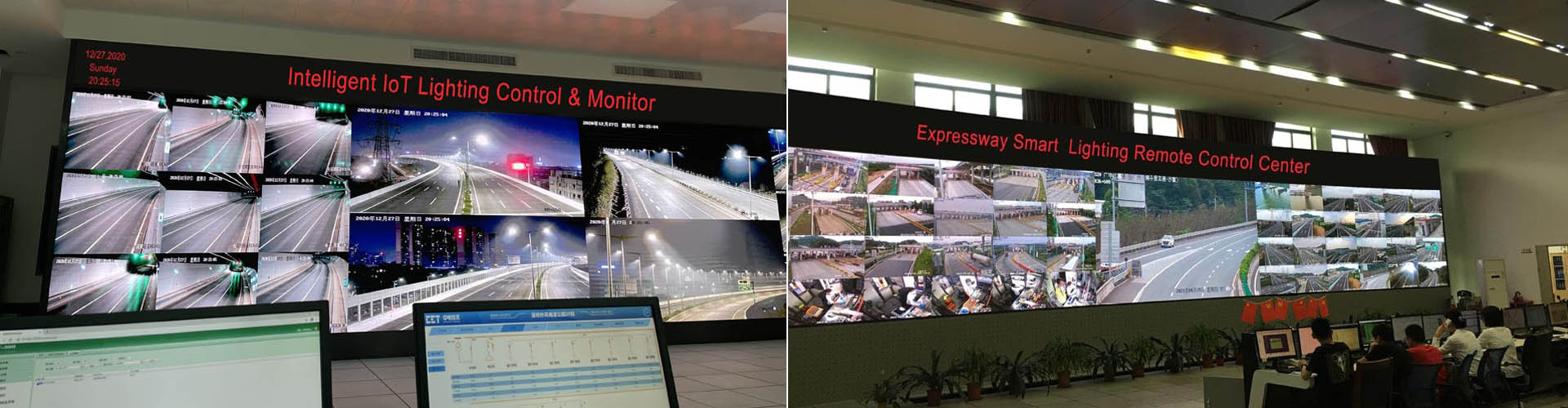
This is why infrastructure evidence matters. Long-corridor roadway, bridge and tunnel lighting experience encourages planning beyond initial delivery, with recoverable operation, documented responsibilities, spare-part continuity, firmware records and practical maintenance support through the agreed warranty period.
Alongside supplier reputation, field-proven engineering experience helps owners understand delivery scope. These references provide engineering context for roadway, bridge and tunnel projects; the scope and acceptance evidence for a new project should be reviewed separately.
Before award, each supplier route can be reviewed against the same practical questions. This gives brand reputation, platform presentation, initial price and recoverable project evidence an appropriate place in the decision.
For government, EPC and infrastructure owners, strategic partner support is most useful when it strengthens project responsibility. Recognized ecosystem technologies, communication modules, server deployment, integration practice and branded components can add confidence alongside acceptance evidence.
The owner also needs device lists, gateway files, cabinet logic, communication topology, software account authority, data export methods, backup plans, maintenance workflow and future interface boundaries. Together, these elements support a balanced procurement decision.
Owners, EPCs and consultants may compare Signify, Philips, Schréder, Cisco, Siemens, Schneider, Tvilight, inteliLIGHT, Fonda, AEC and cost-focused platform suppliers from different starting points. The table summarizes common market strengths and the project questions that help connect luminaires, cabinets, gateways, data and handover records. Actual capabilities and scope depend on the specific proposal, configuration and contract.
For cost-focused offers, lifecycle planning helps protect the value of the initial saving. Owners can compare the documented path for firmware, spare parts, engineering support, dashboard updates and gateway maps through 5-year, 7-year, 8-year or 10-year warranty commitments, including EMC projects.
| Supplier Route | Typical Market Strengths | STSYSTEMPLC Project Focus | Point to Confirm |
|---|---|---|---|
| Signify / Schréder route | Strong luminaire brand, smart lighting ecosystem and municipal visibility. | STSYSTEMPLC can support Interconnected control around selected luminaires, cabinet upgrades, private deployment, gateway evidence and project-specific integration. | What data access, interface and maintenance arrangements are included for long-term owner use? |
| Siemens / Schneider / ABB route | Strong automation, power infrastructure credibility and cabinet-side control language. | STSYSTEMPLC focuses on lighting-specific implementation: lamp controller, cabinet logic, gateway record, dimming strategy, fault records and road/tunnel commissioning. | How does the proposal cover returned lamp state, pole identity, adaptive dimming scenes and tunnel emergency behavior? |
| Cisco / IT network route | Strong network, platform and smart-city data story. | STSYSTEMPLC keeps field lighting operation local-first: approved lighting behavior can continue by controller and gateway rules when WAN or cloud is unavailable. | Which lighting functions continue locally if the smart-city platform, network or AI service is interrupted? |
| Tvilight / inteliLIGHT / Telensa route | Recognized smart lighting controls, adaptive lighting and wireless platform experience. | STSYSTEMPLC organizes PLC + LoRA + project-selected NB-IoT, CAT-1, Ethernet or fiber around long-corridor failure domains and gateway zones. | What control feedback, gateway-zone records and handover data remain available after acceptance? |
| Fonda / AEC / regional platform route | Practical controller deployment, local service and cost-sensitive project entry. | STSYSTEMPLC presents the complete operating package: CH-800 Gateway, cabinet files, software records, FAT/SAT, maintenance closure and owner-held backups. | Which controller, dashboard, transition and recovery items are included in the proposed scope? |
| Cost-focused supplier route | Competitive initial project cost and a focused entry scope. | STSYSTEMPLC emphasizes long-cycle project continuity, spare-part planning, owner-held records and roadway/tunnel deployment evidence. | Which software, gateway firmware, device mapping and replacement-part services are planned for year 5, year 8 and year 10? |
Use these pages to verify the architecture, control layer and maintenance records behind the procurement question.
Main architecture page for complete road, highway and tunnel lighting operation.
City-scale lighting management, gateway zones, owner records and smart city expansion.
PLC/LoRA lamp-level control, CH-800 Gateway feedback, alarms and tunnel operation.
Fault location, work orders, service evidence, maintenance closure and lifecycle support.
Reputation supports early confidence, while project evidence shows how the delivered system can be operated, maintained and understood after handover.
Compare the specific proposed scope, project evidence, interfaces, owner access, lifecycle support and acceptance responsibilities. Brand names indicate a market route, not identical capabilities in every project.
STSYSTEMPLC emphasizes system-level continuity across the field controller, cabinet, CH-800 Gateway, communication route, platform records, maintenance workflow and owner-held handover files.
Check project evidence, local fallback, data export, gateway records, interface boundary, spare-part continuity, firmware records, FAT/SAT files, warranty-period responsibilities and supplier-transition responsibility for 5-year, 8-year or 10-year operation.
A suitable supplier brings together relevant experience, a clear project scope, practical lifecycle support and evidence the owner can retain after acceptance.
For long-term operation, Interconnected lighting is a complete operating system for roads, highways, tunnels and smart city infrastructure. It connects hardware, software, gateways, cabinets, communication, alarms, energy records, maintenance workflow and owner handover evidence.
If your team is comparing smart lighting brands, platforms or supplier routes, start from the evidence the owner can keep after handover.
View the Complete Interconnected Lighting SystemDiscuss Project Requirements
Adresse : F4,Bldg A, Hanzhong Industrial Park, No.67, North of Xinsha Ave, Xin Tang, Zeng Cheng, Guang Zhou, China
Tel : +86 20 8278 0427
Email : info@stsystemplc.com
Email : morrison426@163.com